Cardiac rehabilitation (CR) is a structured, multidisciplinary intervention designed to restore and optimize cardiovascular function after major cardiac events or procedures. With the increasing use of left ventricular assist devices (LVADs) in advanced heart failure, CR has become integral to recovery, addressing not only physiological deconditioning but also enhancing patient autonomy and long-term outcomes. This article presents an expert-level overview of the role of CR in LVAD recovery, focusing on how rehabilitation improves functional capacity, mitigates complications, and supports device integration into daily life. Specialized equipment — including support accessories like the lvad waist belt — and the nuances of different types of lvad devices are also discussed in context.
Understanding LVADs and Their Relevance to Rehabilitation
An LVAD is a surgically implanted mechanical pump that assists the heart’s left ventricle in pumping blood to the body, typically used in patients with advanced refractory heart failure to improve survival and quality of life. Durable LVADs have an internal pump connected to external components — including a controller and battery pack — that patients must manage continuously post-implantation. LVAD therapy may serve as a bridge to transplant, a bridge to recovery, or destination therapy where transplant is not planned. Various types of LVADs, such as the HeartMate III and older HeartWare models, differ in design, flow mechanism, and clinical indications, influencing recovery pathways.
What Is Cardiac Rehabilitation After LVAD?
Cardiac rehabilitation is a medically supervised program of exercise training, education on heart-healthy living, and counseling to reduce stress and improve overall health outcomes. In the context of LVAD recovery, CR is tailored to the unique physiological and device-related challenges faced by individuals post-implantation.
Goals of LVAD-Specific Cardiac Rehabilitation
- Restore Functional Capacity: Deconditioning from advanced heart failure and surgical recovery often results in reduced exercise tolerance. CR aims to safely increase aerobic capacity and muscular strength.
- Optimize Hemodynamics: CR includes monitored exercise to improve circulatory adaptation and functional integration with the LVAD’s continuous flow.
- Mitigate Complications: Structured rehabilitation can address risk factors contributing to hospital readmissions, such as deconditioning, skeletal muscle dysfunction, and impaired exercise response.
- Promote Patient Education: Training on device management, alarm recognition, and complication prevention is essential for long-term patient safety.
Evidence Supporting Rehabilitation After LVAD Implantation
Clinical studies and meta‑analyses demonstrate that exercise‑based cardiac rehabilitation in LVAD recipients is associated with significant improvements in peak oxygen uptake, functional capacity, and overall physical performance. A meta‑analysis of randomized trials found that structured rehabilitation programs yielded measurable gains in exercise tolerance compared with standard care.
While data on long‑term mortality benefit are mixed, observational research suggests a link between CR participation and reduced hospitalizations for heart failure exacerbations.
Core Components of LVAD Rehabilitation
1. Clinical Assessment
Prior to initiating a rehabilitation program, comprehensive evaluations are conducted, including:
- Hemodynamic monitoring
- Baseline exercise testing
- Assessment of right ventricular function and residual myocardial performance
- Evaluation of noncardiac factors such as anemia or pulmonary function that influence exercise response
These assessments guide individualized program design.
2. Exercise Training
Exercise sessions are tailored and supervised by cardiac rehabilitation specialists. Protocols typically include:
- Aerobic Training: Low‑to‑moderate intensity walking or cycling to improve cardiovascular endurance
- Resistance Training: Targeted strength work to combat muscle weakness and support functional independence
- Flexibility and Balance Activities: Enhance mobility and reduce fall risk
Progression is gradual, with close monitoring for symptoms and device interaction responses.
3. Patient Education and Skills Training
Education modules cover critical areas:
- Device management and troubleshooting
- Recognition of alarms and indications for clinical intervention
- Medication adherence and blood clot prevention strategies
- Incorporation of lifestyle modifications to support cardiovascular health
4. Psychosocial Support
Rehabilitation also addresses emotional adaptation to living with an LVAD, helping patients cope with lifestyle changes and integrating the device into daily routines.
Integrating Support Equipment into Rehabilitation
Modern rehabilitation emphasizes practical adaptations that help patients function safely in daily life:
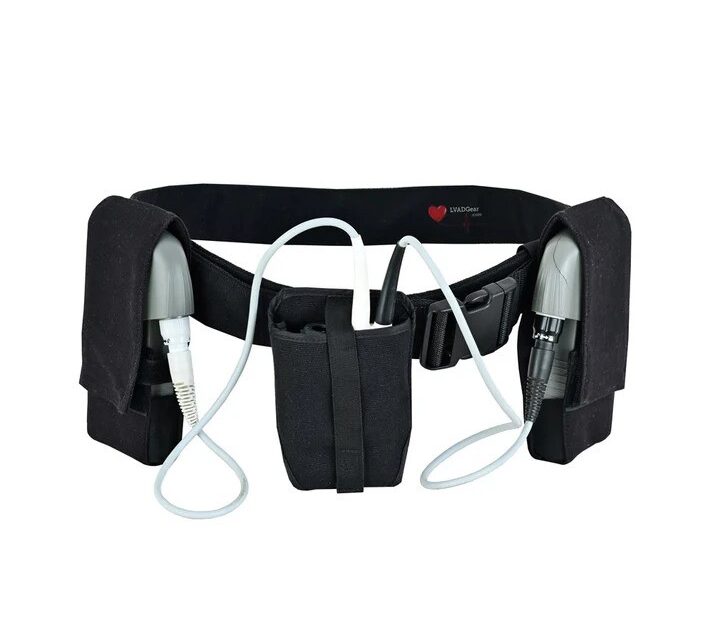
- Accessories for Device Support: Specialized carriers, harnesses, and belts can improve comfort and device security during activity. For example, LVAD patients often use an lvad waist belt to support external components like controllers and batteries while engaging in exercise or routine movement.
- Technology‑Assisted Monitoring: Remote monitoring and wearable sensors may be used to track vital signs and activity metrics in real‑time.
Expert Best Practices
Clinicians and rehabilitation specialists recommend these practices for optimal outcomes:
- Early Initiation: Begin rehabilitation as soon as medically feasible, balancing surgical recovery with progressive physical activity.
- Interdisciplinary Coordination: Close collaboration between cardiologists, cardiac surgeons, rehabilitation professionals, and device specialists ensures safe exercise prescription.
- Personalization: Programs should be individualized based on hemodynamic response, functional capacity, and comorbid conditions.
- Patient Empowerment: Educating patients and caregivers thoroughly on LVAD management enhances confidence and adherence.
Common Misconceptions in LVAD Rehabilitation
LVADs Cure Heart Failure.
LVADs support heart function but do not reverse the underlying disease. Rehabilitation optimizes functional capacity but does not eliminate the need for lifelong care.
Rehabilitation Is Unsafe With an LVAD.
When supervised by experienced clinicians and tailored appropriately, cardiac rehabilitation is considered safe and effective, even early after implantation.
All LVAD Patients Should Have the Same Rehabilitation Program.
Programs must be individualized; differences in device type, patient comorbidities, and functional baselines require customized approaches.
Conclusion
Cardiac rehabilitation is a cornerstone of recovery after LVAD implantation, providing structured exercise, education, and support to address the unique physiological and lifestyle challenges faced by this population. By integrating individualized exercise programs, patient education, and practical strategies for device management — often including supportive accessories — rehabilitation enhances functional capacity, promotes long‑term independence, and contributes to improved health outcomes. Clinicians experienced in LVAD care underscore the value of early, tailored rehabilitation as an essential component of comprehensive post‑implantation care.
FAQs
1. What is the primary purpose of cardiac rehabilitation after LVAD implantation?
Cardiac rehabilitation aims to improve functional capacity, reduce deconditioning, enhance quality of life, and support safe reintegration into daily activities through structured exercise and education.
2. When should cardiac rehabilitation start after LVAD surgery?
Rehabilitation typically begins in the early postoperative period as soon as the patient is clinically stable, progressing gradually under close medical supervision.
3. Are exercise programs in LVAD rehabilitation standardized?
While structured, programs are tailored to individual patient assessments and may vary based on clinical status and recovery goals.
4. Do different types of LVAD devices affect rehabilitation?
Yes. Different LVAD designs, such as continuous‑flow centrifugal pumps versus older devices, may influence hemodynamics and patient‑specific rehabilitation considerations. Understanding the device type helps tailor exercise prescriptions.
5. How does an LVAD affect exercise tolerance?
LVAD support improves resting cardiac output but does not fully normalize exercise hemodynamics; rehabilitation helps gradually enhance tolerance and muscular function.
6. What role do accessories like belts play in rehabilitation?
Accessories such as an lvad waist belt support device components during physical activity, minimize discomfort, and facilitate safe movement. These practical solutions enhance participation in rehabilitation.