Understanding How Play Becomes a Learning Tool
STEM toys have become an important part of modern education because they combine play with structured skill development. Instead of separating learning from entertainment, these toys integrate science, technology, engineering, and mathematics into everyday activities. This approach helps children understand complex ideas in a simple and practical way, often without even realizing they are learning.
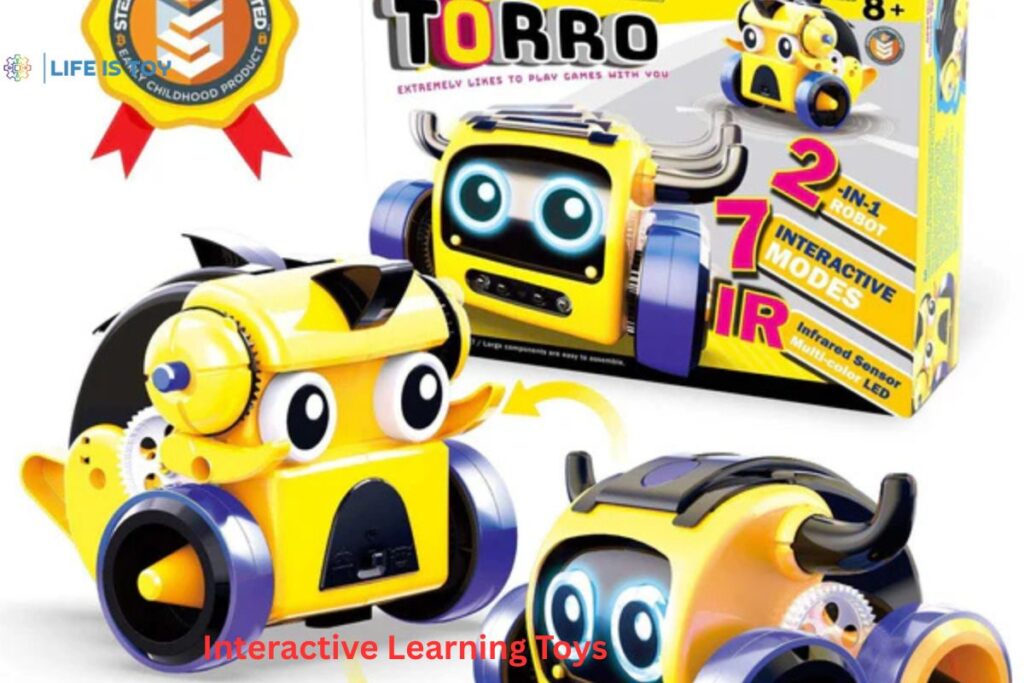
In early childhood development, hands-on experiences are far more effective than passive learning. STEM learning toys encourage children to experiment, build, break, and rebuild, which naturally strengthens problem-solving abilities. Whether it is a construction kit, a coding game, or a simple science experiment set, each activity helps develop logical thinking and curiosity.
Building Problem-Solving and Critical Thinking Skills
One of the most important benefits of STEM learning toys is the development of problem-solving skills. When children interact with these toys, they are often faced with challenges that require them to think step by step. For example, assembling a structure or completing a puzzle teaches them how to analyze a problem, test solutions, and improve outcomes.
This process builds critical thinking, which is essential not only in academics but also in real-life situations. Children learn that mistakes are part of learning and that trying different approaches can lead to better results. Over time, this mindset helps them become more confident decision-makers.
Encouraging Creativity and Innovation
STEM toys are not limited to fixed answers or single solutions. Many of them are designed to encourage creativity and open-ended exploration. A building set, for instance, can be used to create multiple structures, each reflecting a child’s imagination. Similarly, coding toys allow children to design their own patterns, games, or movements.
This freedom of exploration promotes innovation from an early age. Instead of simply following instructions, children begin to think independently and develop original ideas. Creativity combined with technical understanding forms a strong foundation for future learning in science and engineering fields.
Strengthening Mathematical and Scientific Understanding
Mathematics and science are often considered difficult subjects when introduced in traditional ways. However, STEM toys make these subjects more approachable by turning abstract concepts into physical experiences. Counting blocks, measuring kits, and simple chemistry sets help children see how math and science work in real life.
For example, building a structure teaches balance, geometry, and spatial awareness. Similarly, experimenting with basic science kits introduces concepts like cause and effect, reaction, and observation. This practical exposure improves retention and makes learning more enjoyable.
Improving Focus and Patience Through Hands-On Activities
Another valuable benefit of STEM toys is their ability to improve concentration and patience. Many activities require children to follow steps carefully and stay focused until the task is completed. This helps them develop discipline and attention to detail.
In a world full of distractions, the ability to concentrate on a single task is a crucial skill. STEM toys naturally encourage this behavior by engaging children in meaningful activities that require time and effort. As a result, they learn the importance of persistence and gradual progress.
Supporting Social Skills and Team Collaboration
STEM learning toys are often used in group settings such as classrooms or family activities. When children work together on a project, they learn how to communicate, share ideas, and solve problems as a team. This improves their social interaction skills and teaches them cooperation.
Group-based STEM activities also help children understand different perspectives. They learn that there can be multiple ways to solve a problem, and listening to others can lead to better results. These experiences are valuable for both academic and personal growth.
Preparing for Future Skills and Career Readiness
As technology continues to evolve, STEM-related skills are becoming increasingly important in the job market. Early exposure to STEM concepts through toys helps children build a strong foundation for future careers in fields like engineering, robotics, data science, and technology.
Even if a child does not pursue a STEM career, the skills gained—such as logical thinking, creativity, and problem-solving—remain useful in almost every profession. STEM learning toys, therefore, play a long-term role in shaping adaptable and capable individuals.
Conclusion
STEM learning toys are more than just educational tools; they are powerful instruments for overall development. By combining fun with learning, they help children build essential life skills such as creativity, problem-solving, teamwork, and logical thinking. Their impact extends beyond childhood, influencing academic success and future career readiness.