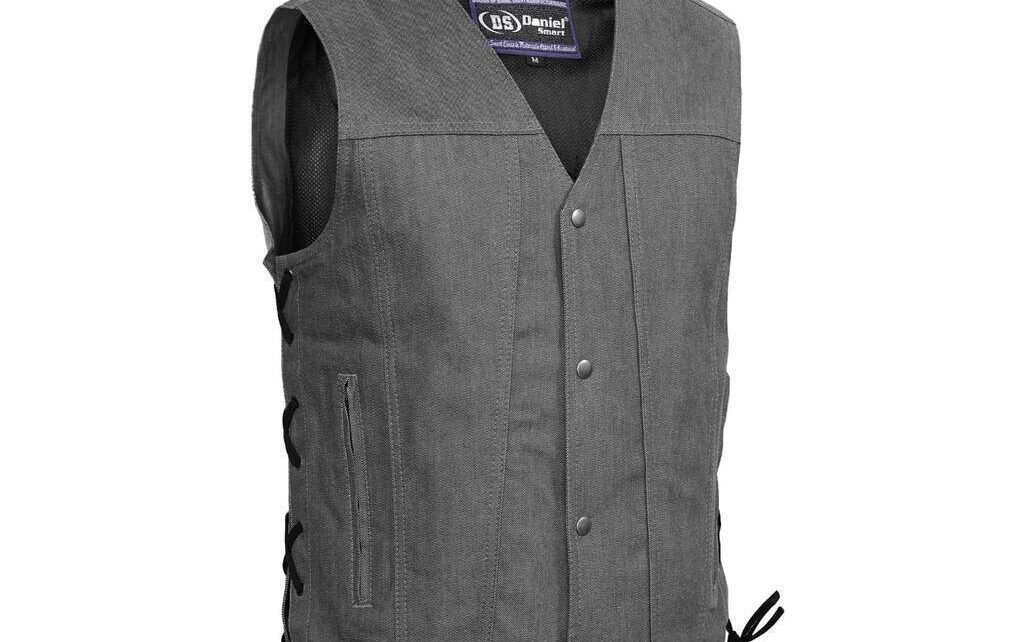
Motorcycle apparel plays a critical role in rider safety, performance, and overall experience. High‑quality gear must strike a balance between durability, comfort, and style without compromising on the primary objective of protection. This article examines core design principles, material science, functional requirements, and rider needs—specifically focusing on leather motorcycle vests and textile motorcycle vests—to help consumers make informed decisions grounded in real‑world application and industry standards.
What Motorcycle Apparel Entails?
Motorcycle apparel refers to specialized clothing designed to protect riders from environmental elements, reduce risk of injury during crashes, and provide ergonomic comfort during long or short rides. This category spans helmets, jackets, gloves, pants, boots, and accessories such as vests. Each item is engineered to meet performance goals under stress variables like abrasion, impact, heat, and weather conditions. In the context of protective clothing, a motorcycle vest is a versatile layer worn over or under a jacket to enhance protection, carry equipment, or signify riding clubs/groups.
Core Relevance: Protection Meets Practicality
Motorcycle apparel must fulfill three interdependent criteria:
- Durability: Asset longevity under mechanical stress (abrasion, tearing, UV exposure).
- Comfort: Thermoregulation, mobility, ergonomic fit, and wearability over long distances.
- Style: Aesthetic integration with the rider’s identity and cultural norms without hindering performance.
Achieving equilibrium among these factors requires understanding material science, construction methods, fit design, and how these elements apply in real‑world scenarios.
Materials and Construction: Technical Foundations
Durability
Durability in motorcycle gear depends largely on both the materials selected and the quality of construction. Leather, such as full-grain cowhide or goatskin, offers exceptional abrasion and tear resistance, making it a longstanding choice for protective apparel. High-quality leather motorcycle vests combine toughness with longevity, maintaining structural integrity even under rigorous riding conditions.
Textile options, including advanced fabrics like Cordura®, Kevlar®, and ballistic nylon, provide high abrasion resistance while remaining lightweight. These engineered fabrics are the foundation of many modern textile motorcycle vests, designed to adapt to a variety of climates and riding environments.
Construction techniques further enhance durability, with features such as double-stitched seams, high-tensile threads, and reinforced stress points at shoulders, waistbands, and other high-impact areas ensuring long-term performance and reliability.
Comfort
Comfort in motorcycle apparel is determined by factors such as fit, breathability, weight, and thermal regulation. Ergonomic fit ensures that vests allow full range of motion without restricting movement at the shoulders, back, or waist, while tailored cuts prevent bunching during riding. Ventilation features, including perforations, mesh panels, and adjustable vents, enhance airflow to reduce heat buildup, particularly in warmer conditions. Layering compatibility further contributes to comfort, as vests can be worn over jackets or as insulating mid-layers. Many textile vests also offer removable thermal liners, providing adaptability for varying seasonal temperatures.
Leather Motorcycle Vests: Durability and Classic Appeal
Functional Attributes
Leather motorcycle vests are renowned for their abrasion resistance and rugged aesthetic. Historically rooted in early 20th‑century motorcycle culture, they combine protective capacity with a stylistic heritage recognizable within touring and cruiser communities.
Professionally, leather is valued for:
- High abrasion resistance: Full‑grain leather can withstand prolonged sliding against road surfaces, reducing skin trauma.
- Longevity: Properly cured hides develop a patina, enhancing both resilience and visual character over time.
- Modular protection: Many leather vests are designed to integrate with back protectors or chest guards.
Practical Use Cases
- Long‑distance touring where sustained abrasion protection is vital.
- Cooler climates where insulation adds comfort without bulk.
- Riders prefer a classic, timeless aesthetic that also conveys rugged functionality.
Textile Motorcycle Vests: Versatility Meets Climate Control
Functional Attributes
Textile materials provide a distinct combination of performance features suited to versatile riding conditions. Their lightweight construction reduces overall mass, enhancing comfort during slow-speed travel or in urban environments. Engineered mesh panels and vent systems improve airflow, making textile vests particularly effective in hot or variable temperatures. Additionally, many textile vests are treated for water repellency or fully waterproofed with sealed seams, offering reliable protection against rain and adverse weather while maintaining flexibility and comfort.
Practical Use Cases
Textile motorcycle vests are especially suitable for riders with diverse needs. Commuters benefit from their adaptability to changing weather conditions, while adventure riders value modular layers that can adjust to heat, cold, and rain. Additionally, riders who prioritize ventilation and a flexible, lightweight fit often prefer textile vests over heavier, abrasion-focused alternatives.
Balancing Durability, Comfort, and Style: Best Practices
Material and Feature Selection
Experts recommend selecting motorcycle vests based on riding conditions and climate. For long highway rides, heavier, abrasion-resistant materials such as leather or ballistic textiles provide superior protection and durability. In warmer climates, ventilated textile vests enhance airflow and comfort, while leather vests offer natural insulation and wind resistance in cooler environments. Choosing a vest with these factors in mind ensures an effective balance of protection, comfort, and performance.
Fit and Ergonomics
Professionals emphasize accurate sizing: gear should be snug without restriction, allowing natural movement while maintaining full coverage at speed and under load.
Protective Integrations
Industry standard now favors modular integration of impact protectors. Vests that accept certified armor (e.g., CE‑rated chest/back inserts) significantly raise safety performance without major weight penalties.
Common Mistakes and Misconceptions
Believing Style Outweighs Safety
While style is a valid criterion, prioritizing unreinforced fashion vests lacking abrasion resistance or armor channels increases risk during crashes.
Assuming One‑Size‑Fits‑All
Motorcycle vests require careful fitting; oversizing can shift protective panels during impact, reducing their effectiveness.
Neglecting Climate Impacts
Choosing heavy leather for hot climates or overly ventilated textiles for cold conditions can undermine comfort and distract the rider—thereby affecting focus and performance.
Conclusion
Balancing durability, comfort, and style in motorcycle apparel necessitates a nuanced understanding of materials, protective standards, and rider needs. Leather motorcycle vests excel in abrasion resistance and heritage appeal, while textile motorcycle vests deliver adaptability and climate responsiveness. Expert guidance emphasizes context‑specific selection, proper fit, and integration with protective systems to optimize safety and performance. Knowledgeable choices grounded in industry practice elevate rider experience, ensuring apparel functions as a reliable extension of both protective strategy and individual expression.
FAQs
1. What are the primary differences between leather and textile motorcycle vests?
Leather offers superior abrasion resistance and classic styling, while textiles provide enhanced ventilation, modularity, and weather resistance.
2. Are motorcycle vests necessary for rider safety?
Vests add a layer of protection, particularly when integrated with certified armor, complementing jackets and other gear.
3. How should a rider choose between leather and textile based on climate?
Warm climates benefit from ventilated textiles, whereas cooler regions may favor the insulation and wind resistance of leather.
4. Can vests be worn over other protective jackets?
Yes. Many riders layer vests over jackets to add storage, style, or additional protective capacity.
5. What protective standards should riders look for?
Certified armor with CE ratings (Level 1 or Level 2) is widely accepted as an industry benchmark for impact protection.
6. How important is fit?
Proper fit ensures coverage, comfort, and that protective elements remain positioned during sudden movements or impacts.