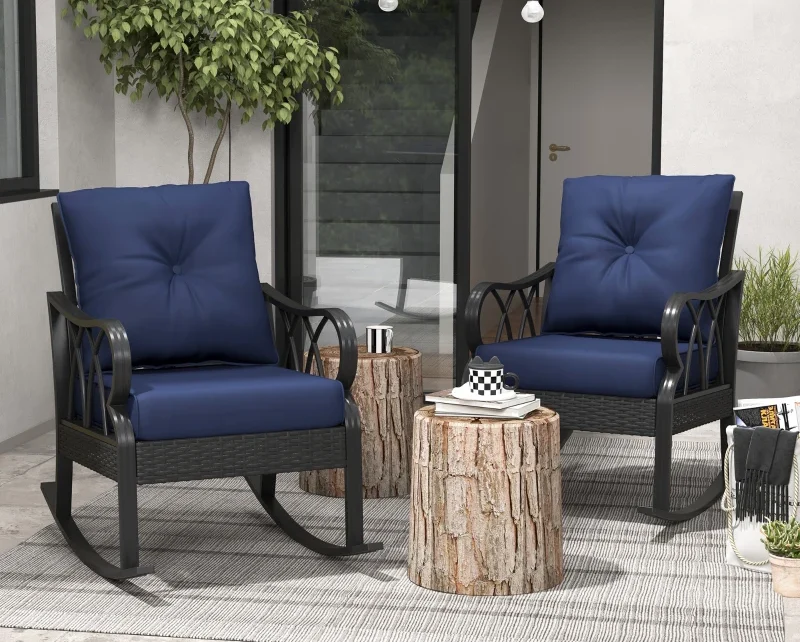
Few pieces of outdoor furniture carry the same timeless appeal as a rocking chair. There is something uniquely satisfying about settling into a gentle back-and-forth rhythm with a cup of coffee in hand, the morning air around you, and nowhere else to be. Outdoor rocking chairs have remained a staple of porches, patios, and garden spaces for generations, and in 2026, the category has never been better. From virtually maintenance-free HDPE poly lumber to premium teak that lasts decades, today’s outdoor rockers combine improved weather resistance, ergonomic comfort, and refined design in ways that make choosing the right one both exciting and a little overwhelming. This article breaks down the best outdoor rocking chairs available for patios in 2026, covering the top material options, standout picks across every budget, and the key factors that separate a chair you will use every day from one that collects dust in a corner.
Why Rocking Chairs Belong on Every Patio
Adirondack chairs are comfortable, chaise lounges are relaxing, but neither offers the distinctive, meditative experience of a quality rocking chair. The gentle motion is not just pleasant, research consistently links repetitive rocking movements with reduced stress and improved relaxation response. On a practical level, rocking chairs are also exceptionally versatile. They work equally well on covered front porches, open back patios, narrow apartment balconies, and garden corners. A well-chosen pair of outdoor rockers with a small side table between them creates a natural gathering spot that draws people in and encourages lingering in a way that static seating simply does not.
Best Materials for Outdoor Rocking Chairs
Before reviewing specific picks, understanding the material differences is essential, since material choice determines everything from lifespan and maintenance demands to how a chair looks and feels decade after decade.
Teak is the gold standard for outdoor rocking chairs and has been for centuries. Its dense grain and naturally occurring oils repel water, resist rot, and deter insects without any chemical treatment. A high-quality teak rocking chair can last 50 years or more, developing a distinguished silver-gray patina over time that many owners find more beautiful than the original honey color. The tradeoff is cost,premium teak commands a higher upfront price,but when calculated as cost per year of use, it frequently outperforms cheaper alternatives that need replacing every few seasons.
HDPE Poly Lumber is the most maintenance-free option available and has become the material of choice for buyers who want the look of wood without any of the upkeep. Made from recycled high-density polyethylene plastic, poly lumber never rots, warps, cracks, splinters, or fades, even when left outdoors year-round through harsh winters and intense sun. POLYWOOD, one of the most recognized names in this category, produces Adirondack-style rockers in poly lumber that have earned a devoted following for their durability and classic silhouette. If zero maintenance is your priority, poly is the clear choice.
Powder-Coated Aluminum and Steel bring a sleeker, more contemporary look to outdoor rocking chairs. Aluminum frames are rust-proof, exceptionally lightweight, and available in a wide range of powder-coated finishes that resist scratching and fading over time. Wrought iron offers greater heft and a more traditional aesthetic, though it requires occasional touch-ups if the coating chips to prevent rust from developing. Metal rockers suit modern and contemporary patio designs particularly well and are often paired with all-weather cushions for added comfort.
All-Weather Wicker (Resin Rattan) over an aluminum or steel frame delivers a warm, coastal aesthetic that complements a wide range of outdoor settings. Synthetic PE wicker is far more durable than natural rattan outdoors, it resists UV damage, rain, and humidity without fading or unraveling, while the high-backed, curved designs common in wicker rockers make them among the most visually inviting options on the market.
Top Outdoor Rocking Chair Picks for 2026
Best Overall: POLYWOOD Nautical Rocking Chair
The POLYWOOD Nautical Rocking Chair consistently tops recommendations in 2026 for combining timeless Adirondack styling with virtually indestructible poly lumber construction. Its contoured seat and high backrest provide genuine ergonomic support for extended sitting, and the wide armrests are perfectly positioned for resting a book or a drink. Available in over a dozen colors, it never needs painting, staining, or sealing, and can be cleaned with just soap and water. For most buyers, this is the rocking chair that delivers the best balance of quality, longevity, and value.
Best Premium Pick: Teak Carolina Rocking Chair
For buyers willing to invest in heirloom-level quality, the Teak Carolina Rocking Chair represents the pinnacle of outdoor rocking chair craftsmanship. Built with traditional mortise and tenon joinery, a technique that creates joints that flex slightly with temperature and humidity changes while staying structurally solid,this chair is built to outlast most of what is currently in your home. Its natural teak oils provide weather resistance without treatment, and the smooth rocker geometry provides a controlled, satisfying motion that is immediately apparent the first time you sit down.
Best for Modern Patios: Corrigan Studio Powder-Coated Steel Rocking Chair
For patios with a contemporary or minimalist aesthetic, a streamlined powder-coated steel rocking chair delivers clean lines and durable construction at a very accessible price. The Corrigan Studio model features a robust steel frame, a cushioned seat with weather-resistant fabric, and a refined profile that integrates naturally into modern outdoor settings. Its cushion covers are removable for washing, and the powder-coated finish handles outdoor exposure without requiring seasonal touch-ups.
Best Wicker Option: High-Back All-Weather Wicker Rocker
A high-backed all-weather wicker rocking chair, offered by multiple brands including Corrections Studio and several specialty outdoor retailers, combines visual warmth with deep, curved seating that makes it particularly comfortable for extended lounging. The rust-resistant aluminum frame underneath the synthetic PE wicker ensures structural integrity across seasons, while the UV-resistant wicker itself maintains its color and texture through years of sun and rain exposure.
Best Budget Pick: Yaheetech or SERWALL HDPE Rocking Chair
For buyers seeking reliable outdoor performance at a budget price point, HDPE rockers from brands like Yaheetech and SERWALL have earned strong reviews in 2026. Built with the same weatherproof plastic composite as premium options, these chairs support up to 350 pounds, arrive mostly pre-assembled, and offer the wood-like texture of traditional rockers without any of the maintenance. A set of two typically falls under $200, making them an excellent entry point for first-time rocking chair buyers.
Key Factors to Consider Before Buying
Covered vs. Open Exposure: A covered porch or patio opens up more material options, including hardwoods that benefit from protection from direct rain. Fully exposed patios call for teak, poly lumber, or powder-coated metal, materials that genuinely handle year-round outdoor conditions without attention.
Rocker Geometry: The quality of the rocking motion comes down to the curve and length of the rocker arcs. A well-designed chair provides a smooth, predictable rhythm that feels natural and controlled. Jerky or uneven motion is a sign of poor manufacturing tolerances and will feel uncomfortable over time.
Seat Height and Depth: Standard rocking chairs sit 16 to 18 inches from the ground,the right height for most adults to maintain flat feet and a steady rocking motion. Deeper seats are better for lounging, while shallower seats make it easier to get up and down, which matters more than people expect after extended sitting.
Weight Capacity: Most standard outdoor rockers are rated for 250 to 300 pounds, while heavy-duty options reach 350 to 450 pounds. Always check the weight rating before purchasing, particularly for oversized models marketed for added comfort.
Conclusion
The best outdoor rocking chair for your patio is the one that fits your climate, your maintenance preferences, your budget, and, most importantly, the way you actually want to spend time outside. Whether that means the lifetime durability of a premium teak chair, the zero-maintenance freedom of a poly lumber rocker, the sleek profile of a powder-coated metal design, or the coastal warmth of an all-weather wicker option, 2026 offers the widest and most refined selection this category has ever seen. A quality outdoor rocking chair is not just a seat, it becomes a daily ritual, a favorite spot, and in many cases, a piece of furniture you will own for the rest of your life.
Frequently Asked Questions (FAQs)
Q1: How much space does an outdoor rocking chair need on a patio?
A standard outdoor rocking chair requires approximately 30 inches of width and 36 to 42 inches of depth to rock comfortably without hitting a wall, railing, or neighboring furniture. The rocker arcs extend the footprint beyond the chair’s seated dimensions, so always measure from the front arc tip to the back arc tip, not just the seat depth,when planning your layout. Leave at least 24 inches of clearance on each side for comfortable movement around the chair.
Q2: Can outdoor rocking chairs be used on uneven or sloped surfaces?
Most outdoor rocking chairs are designed for flat, level surfaces. Using a rocker on a sloped deck or uneven patio can create an uneven rocking motion, place stress on the joints, and create a tipping hazard. If your patio surface is slightly sloped, rubber non-slip feet or furniture levelers placed under the rocker arcs can help stabilize the chair. For significantly uneven surfaces, a glider, which moves on fixed tracks rather than curved arcs, is a safer and more practical alternative.