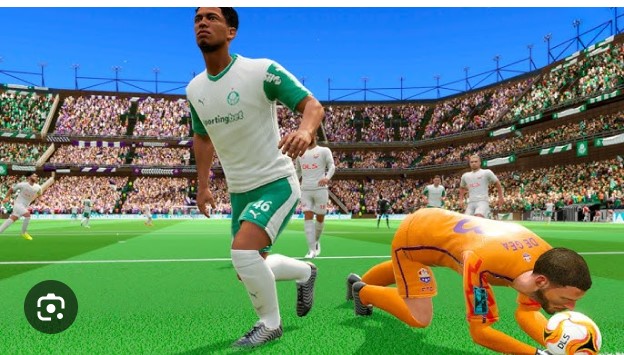
Before Dream League, mobile football games were either shallow arcade experiences or overly complicated management simulators. Nothing struck the right balance. Then came Dream League. What started as a modest mobile title has grown into a global phenomenon, attracting millions of players who build teams, design kits, and compete across virtual pitches every single day. This article explores the journey, the appeal, and the lasting impact of Dream League on mobile gaming.
The Origins of Dream League
The first Dream League Soccer game launched over a decade ago. At the time, mobile gaming was still finding its footing. Smartphones were becoming powerful enough to handle decent graphics, but developers were still experimenting with what worked. First Touch Games, a small studio at the time, saw an opportunity. They wanted to create a football game that let players actually control the action while also managing a club. No other mobile game was doing both well.
The early versions were simple by today’s standards. Graphics were basic. Player animations were stiff. The selection of teams and stadiums was limited. But the core gameplay loop was addictive. You played matches. You earned coins. You bought better players. You climbed divisions. That simple cycle kept players coming back.
What Makes Dream League Special
Dream League succeeded where others failed because it understood its audience. Casual football fans wanted something they could pick up and play in five minutes. Hardcore fans wanted depth and customization. Dream League delivered both.
The match gameplay is smooth and responsive. Controls are intuitive enough for beginners but have enough nuance for skilled players to master. You can play a quick match during your commute or spend hours tinkering with your squad, adjusting tactics, and designing the perfect kit.
The career mode gives you something to work toward over weeks and months. Building a team from the bottom division to champions is genuinely satisfying. Every promotion feels earned. Every cup final has real weight. The game respects your time while rewarding long-term investment.
The Evolution of the Series
Each new version of Dream League has brought meaningful improvements. Graphics have improved dramatically. Player models now have realistic proportions and fluid animations. Stadiums feature dynamic lighting, animated crowds, and weather effects that change how the ball moves.
The customization options have expanded with every release. Early Dream League games offered basic kit colors. Modern versions let you design everything from collar style to sock pattern to goalkeeper jersey. The ability to import custom kits using URL codes opened the floodgates for community creativity.
The transfer system has become more sophisticated. You no longer simply buy players with coins. You negotiate contracts, compete with other clubs, and manage wage budgets. The youth academy added another layer, encouraging players to develop homegrown talent rather than just buying superstars.
Online features have grown from basic leaderboards to full multiplayer leagues. You can now compete against friends or strangers in real-time matches. The netcode has improved significantly, making online play smoother and more reliable than early versions.
The Community Behind Dream League
No discussion of Dream League is complete without acknowledging its community. Fans have built an entire ecosystem around the game. Kit designers spend hours creating accurate recreations of real-world jerseys. Tactics experts share formations and player instructions. Content creators produce YouTube videos, Twitch streams, and social media posts featuring their Dream League careers.
The kit sharing culture is particularly impressive. Thousands of custom designs are available online, covering every major club and national team. Want to play as Barcelona in their latest home jersey? Someone has already created it. Want a retro Brazil 1970 kit? That exists too. Want a completely original design that no one has ever seen? You can make it yourself and share it with the world.
Forum discussions range from transfer tips to gameplay strategies to bug reports. The community self-polices to some extent, with experienced players helping newcomers learn the ropes. This collaborative spirit has kept Dream League alive and thriving even as other mobile games have faded.
Dream League vs. The Competition
Several other mobile football games exist. Some have better graphics. Some have official licenses for real teams and players. Some have deeper management mechanics. But none have matched Dream League’s overall package.
The competition often falls into one of two traps. Either they prioritize flashy visuals over gameplay, or they bury players in menus and spreadsheets. Dream League avoids both extremes. The matches are fun to play. The management systems add depth without becoming homework. The graphics are good enough without demanding the latest phone hardware.
The monetization model is also fairer than most free-to-play games. You can enjoy Dream League without spending money. The game rewards regular play with coins and gems. Paying just speeds things up. This balance has earned goodwill from the player base that other developers have struggled to replicate.
The Future of Dream League
First Touch Games continues to support Dream League with regular updates. New features arrive each year. Existing systems get refined based on player feedback. The developers seem genuinely committed to improving the experience rather than simply milking the franchise.
Future versions will likely include even deeper customization, more realistic graphics, and expanded online features. Cross-save functionality would allow players to continue their careers across multiple devices. More sophisticated AI would make opponents feel even more realistic. Official licensing for some teams or leagues would be a game-changer, though that remains expensive and difficult for mobile titles.
Why Dream League Endures
Trends come and go in mobile gaming. Games that seemed unkillable have faded into obscurity. But Dream League endures because it delivers a fundamentally enjoyable experience. Playing a match feels good. Building a team feels rewarding. Expressing yourself through customization feels personal.
Dream League understands that football is not just about winning. It is about identity. It is about the colors you wear, the players you love, and the moments you remember. The game gives you the tools to create something that feels like your own. That emotional connection keeps players returning year after year.
Final Thoughts
Dream League is more than a mobile game. It is a platform for creativity, competition, and community. Millions of players around the world have built teams, designed kits, and created memories within its digital pitches. The journey from a modest mobile title to a global phenomenon is a testament to what happens when developers respect their audience and focus on quality. Whether you are a longtime fan or a curious newcomer, Dream League is waiting. Step onto the pitch and see what you can build.